
Adopted and Rejected
How to Manage It All
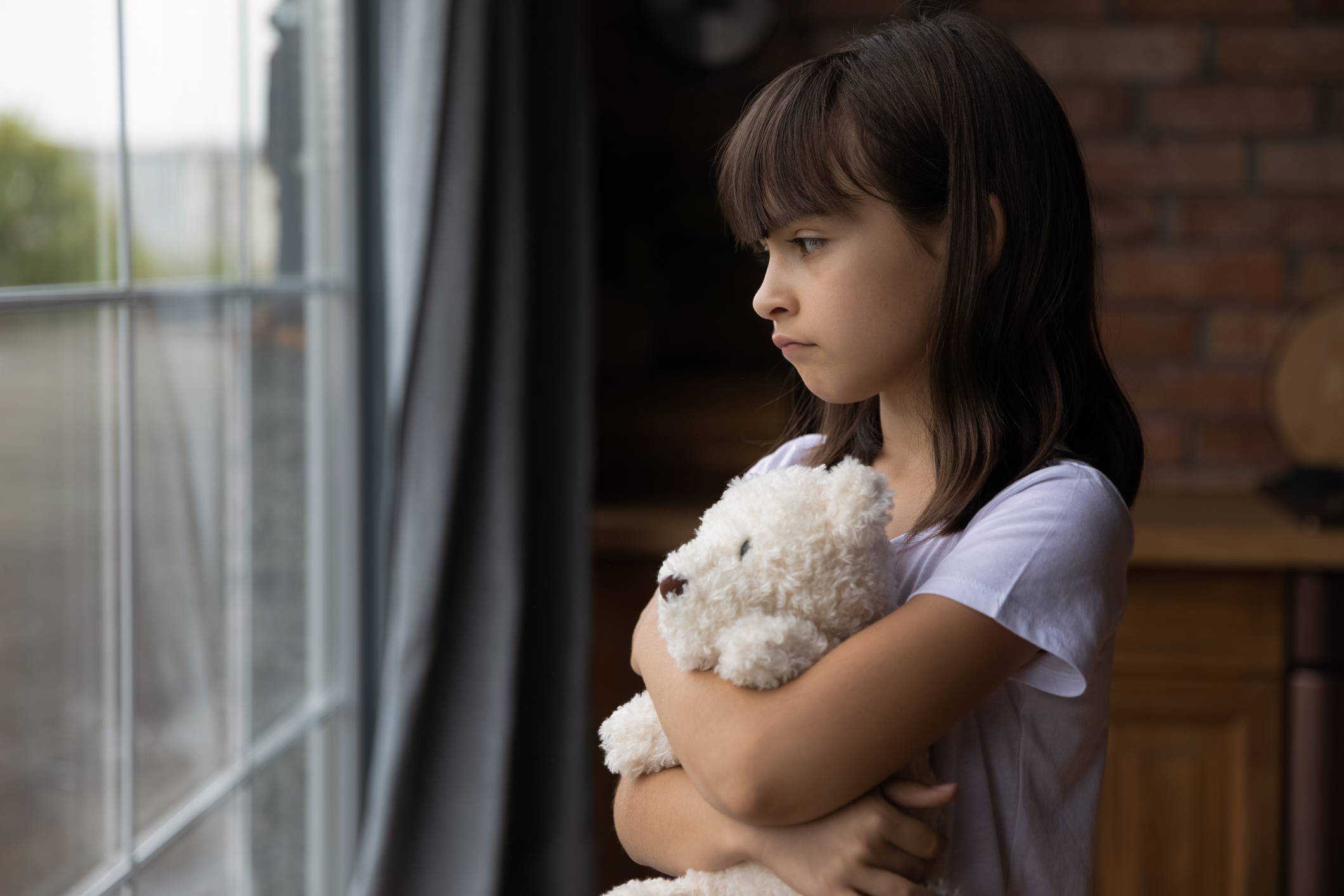
I was adopted when I was seven days old. The good news is I get to celebrate two birthdays – the day I was born and the day I was adopted. Here is the sad news: I found my biological mother, but she really didn’t want to be found.
Several years ago, with the support and blessings of my adopted parents, I decided to find my biological parents.
I had a wonderful, loving upbringing and always will be grateful for the life my adopted parents have given me. But there was a missing piece. Who was I? Who were my biological parents? I wanted to know about them so I could better understand me. I needed to fill that empty place inside of me, and of course, I was curious.
I wish I could say my outcome was one you have seen on television shows: the daughter meets her biological mother for the first time, their loving connection brings tears of joy and fulfillment, and the empty place in their hearts is whole again.
Unfortunately, this storybook ending depicted through the media is the exception.
My story is far more common, I have learned by talking with dozens of other adoptees.
When I first found my biological mother many years ago, at first, she didn’t want to meet me, and then she agreed to. We never officially met, but we stayed in contact with each other through phone calls and letters for about a year. It never felt right; I never felt a connection with her, and what made it even more depressing was that she sent me on a wild goose chase to find my biological father, only to learn the man she claimed was my father was not.
I next decided to try Ancestry DNA to find my biological father, and I got a hit on a first cousin who responded to me almost immediately! I thought, “finally, there is hope!” I was thrilled! I also learned I had two half-sisters who lived in New York.
I was able to meet a couple of cousins and my paternal uncle who I still stay in touch with, but my half-sisters had no interest in a connection, and I never got to meet them. I still don’t know why.
I finally decided to cut the cord after I found out through Facebook that my uncle was very sick and in ICU. I spoke with a cousin before I made the 13-hour drive to Connecticut to be with him. She told me she would meet me at the hospital. That didn’t happen. I didn’t see or speak to one single family member when I was there. I was completely shut out. I wasn’t acknowledged, and I wasn’t allowed to see my uncle. Devastated, I drove back home the next day. I learned several weeks later from my uncle (who recovered) that someone had blocked my number from his phone. He didn’t know I was at the hospital to see him.
My experience was heartbreaking. It’s been more than 20 years since I began my search, and it still remains painful for me. I had expectations and I was let down; all I wanted was a connection to who I am, who my biological family was, and maybe, find another loving family. I still cry from time to time, knowing I have a family who does not want me, but I had to let go in order to heal.
Reflecting on this emotional journey of several years that did not end the way I had envisioned, I often am asked, “would you do it again, knowing the outcome could be traumatizing?” The answer for me is “yes.” For me, there was a longing to know where I came from, where my place in life is. I wanted to find the missing piece in hopes it would make my life whole.
I am sharing my story as a way to help other adoptees. If you are considering looking for your biological parents, first, do what is best for you. Think hard and carefully.
Prepare yourself emotionally for what you may learn. The outcome may bring disappointment. Give it a lot of deep thought and be ready for what you may find. It may not end like the TV versions. I am a mental health therapist, and I thought I was ready, I thought I would be able to handle all of the emotions that came with my journey, but I wasn’t. What if you learn your real family doesn’t want you as part of their family? Are you ready for that?
For those who have found their biological parents and had a similar experience to mine, my advice is:
- Find adoptee support groups. They are a wealth of information, and they can provide a great deal of emotional help. I have joined many Facebook adoption groups. Thousands of adoptees want to tell their stories and share their experiences.
- Talk with a mental health therapist who can guide you through the healing process. This helped me. I began seeing a therapist to make sense of my experience, manage my hurt and pain, and try to begin healing. My therapist also had been adopted, which was a great benefit in helping me stay positive and feel good about myself and my self-worth again.
- Appreciate the family and friends you have. My adopted parents were 100 percent supportive every step of my search. I have two older brothers who also were adopted, and one brother found his paternal biological family who welcomed me as one of their own. I treasure this.
Not every adoption reunion ends with a happy ending connection. Take as much time as you need to process what you have learned and make sense of it, and find support through people who love you. Counseling and therapy can help you navigate these complex emotions.
